Dopamine &
motor learning
Examining research on dopamine-related genetic scores and asking whether findings from other CP groups can inform future hypotonic CP studies.

An independent research initiative exploring how AI and biology can deepen our understanding of cerebral palsy.
01 / RESEARCH FOCUS
Could biological differences help explain why people respond differently to rehabilitation? Our starting point is a review of the evidence on candidate biomarkers in hypotonic cerebral palsy.
Explore the research questionsExamining research on dopamine-related genetic scores and asking whether findings from other CP groups can inform future hypotonic CP studies.
Mapping the review’s questions around BDNF, NGF and the TrkB receptor, while separating biological hypotheses from demonstrated clinical effects.
Proposing ways to connect biological measurements with motor learning and rehabilitation outcomes through future observational research.
02 / WHY IT MATTERS
Walking with more confidence. Maintaining balance. Having energy left for the rest of the day. These are the human goals that motivate this initiative.
Our current work is at the evidence-mapping stage. Understanding the biology and defining useful research questions are steps toward research that could eventually address these priorities.
03 / FEATURED PUBLICATION
PREPRINT · VERSION 3
A scoping review of dopaminergic polygenic scores and BDNF/TrkB biology in hypotonic cerebral palsy.
Not peer-reviewed. This review proposes research questions; it does not report a clinical trial or establish a treatment.
Hypotonic cerebral palsy
A review of the research gap in rehabilitation response.
04 / THE PERSON BEHIND NEUVORA
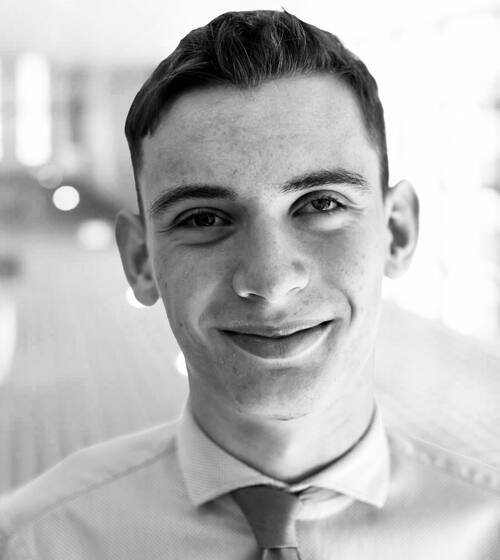
I’m a 19-year-old student from Slovakia, interested in creating things, technology and research into cerebral palsy.
I live with spastic cerebral palsy myself. That personal experience is part of why this subject matters to me, and why I want to understand the challenges faced by people with other forms of CP.
I started NEUVORA Labs to explore the connections between AI, biology and rehabilitation. My current focus is hypotonic cerebral palsy: reading the evidence, asking research questions and finding people who want to help investigate them.
I’m at the beginning of this work, with a scoping review and a proposed research agenda. I want to keep learning, creating and contributing to research that could make a difference in everyday life.
Read my studyLET’S CONNECT